Birth Month Floral Symbols: A Year in Bloom
Posted on 18/08/2025
Birth Month Floral Symbols: A Year in Bloom
Every month of the year is associated with unique flowers that symbolize distinct personalities, meanings, and stories. From the refreshing snowdrops of January to the festive holly of December, each birth month flower offers a way to celebrate individuality and mark special occasions. In this comprehensive guide, we'll explore the rich symbolism, origins, and beauty behind each birth flower. Ready to discover the meaning behind your birth month's flower? Let's take a year-long journey through a garden of time!
What Are Birth Month Flowers and Why Do They Matter?
Just as there are birthstones for each month, the tradition of birth month floral symbols stems from both folklore and botanical history. Each flower reflects the qualities, emotions, and themes attributed to people born in that month. Choosing to give or display your birth month flower deepens personal connections and infuses meaningful symbolism into gifts, celebrations, and decorations.
- Symbolism: Birth flowers carry special meanings related to personality traits and wishes for that month.
- Tradition: The language of flowers, also known as floriography, inspired the use of blossoms to convey secret messages.
- Personalization: Incorporating your birth flower can add a unique touch to birthdays, weddings, or home decor.
Birth Month Flowers: A Month-by-Month Guide
January: Carnation & Snowdrop
Carnation is the primary January birth flower, celebrated for its ruffled petals and vibrant colors. It symbolizes admiration, fascination, and deep love. In ancient times, carnations were used in ceremonial crowns and as tokens of affection. White carnations represent pure love and luck, while pink ones express gratitude.
Snowdrop, a dainty white flower brave enough to bloom in the frost, signifies hope and new beginnings. It's the perfect emblem for starting a new year fresh and full of promise.
- Meaning: Devotion, hope, and rebirth
- Typical Colors: Pink, white, red (Carnation); pure white (Snowdrop)
February: Violet & Primrose
Violet is the flower of February birthdays, representing modesty, faithfulness, and humility. In Greek mythology, violets sprang from the ground where Orpheus's tears fell. With heart-shaped leaves and a gentle fragrance, violets symbolize quiet strength and loyalty.
Primrose stands for young love and new beginnings, making it an apt flower for this month of love and renewal.
- Meaning: Modesty, loyalty, affection
- Colors: Various shades of purple, yellow, and white
March: Daffodil
Spring's first trumpeters, daffodils (also known as narcissus), herald renewal, inspiration, and hope. In the language of flowers, the daffodil signifies unwavering chivalry and new beginnings. Its bright yellow blooms are a source of cheer and optimism--perfect for those born in March.
- Meaning: Rebirth, renewal, prosperity
- Color: Yellow (most common), white, orange
April: Daisy & Sweet Pea
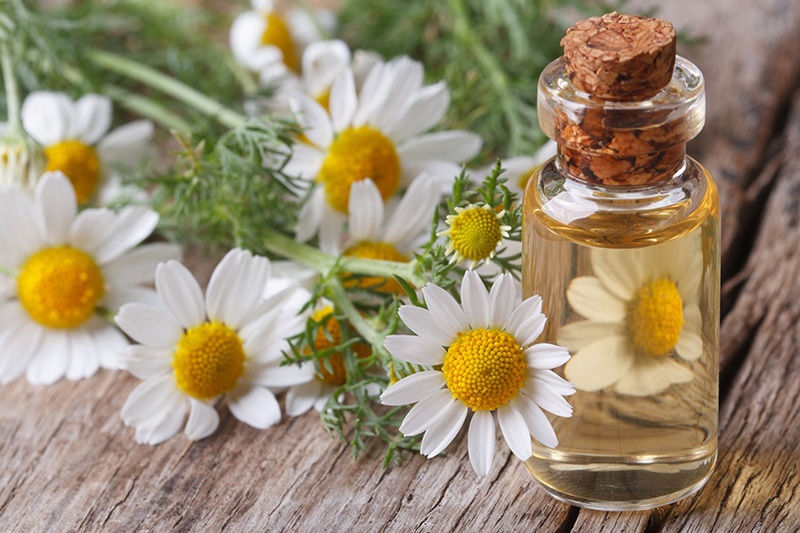
Daisy, with its sunny face and delicate petals, is April's signature bloom. It symbolizes innocence, purity, and loyal love. The name comes from "day's eye," reflecting how daisies open with the sun.
Sweet Pea evokes blissful pleasure and sweet farewells. With pastel colors and a lovely scent, it's a popular flower for gifts and celebrations in April.
- Meaning: Innocence, purity, good-bye (Sweet Pea), happiness
- Colors: White, pink, purple, yellow, red
May: Lily of the Valley & Hawthorn
Graceful and fragrant, Lily of the Valley is treasured for its delicate bell-shaped blossoms. It represents humility, renewed happiness, and the return of joy. Brides often include these blooms in wedding bouquets as a symbol of love's purity.
Hawthorn, with its clusters of white or pink flowers, is another May floral symbol. It signifies hope and happiness in Celtic traditions.
- Meaning: Sweetness, hope, humility
- Colors: White (Lily of the Valley), white/pink/red (Hawthorn)
June: Rose & Honeysuckle
Probably the most iconic of all birth flowers, the rose stands for love, passion, and beauty. Each rose color has a different meaning: red for love, yellow for friendship, pink for gratitude, and white for purity.
Honeysuckle brings a sense of devotion and everlasting bonds, making it a fitting companion to the romantic rose.
- Meaning: Romance, devotion, happiness
- Colors: All rainbow colors (Rose); pink/yellow/white (Honeysuckle)
July: Larkspur & Water Lily
Larkspur is the bright star of July's floral calendar. Its tall spikes and vivid hues convey positivity, open heart, and carefree joy. Ancient folklore connected larkspur with protection and good fortune.
Water Lily, serene and floating, represents purity and rebirth. Its elegant presence makes it a symbol of tranquility and enlightenment.
- Meaning: Dignity, positivity, grace
- Colors: Purple, blue, pink, white
August: Gladiolus & Poppy
Bold and upright, the gladiolus recalls the word "gladiator"--symbolizing strength, integrity, and moral character. Recipients of this stunning flower are reminded to remain steadfast and true.
Poppy in red shades marks remembrance, comfort, and peaceful rest. Ancient Greeks used the poppy in medicine and myth, reinforcing its lasting place in culture.
- Meaning: Strength, remembrance, integrity, calm
- Colors: Red, pink, purple, white, yellow
September: Aster & Morning Glory
The delicate petals of the aster resemble stars, a fitting symbol for September birthdays. Asters express wisdom, patience, and elegance. In Greek, "aster" means "star," highlighting their celestial appearance.
Morning Glory, which blooms with the morning sun, stands for affection, gentle beginnings, and unrequited love.
- Meaning: Elegance, love, wisdom, patience
- Colors: Purple, pink, blue, white (Aster and Morning Glory)
October: Marigold & Cosmos
Known for their warm autumn hues, marigolds symbolize passion, creativity, and affection. They also honor those who have passed in many cultures, especially during Dia de los Muertos celebrations.
Cosmos represents harmony and peace, making it a calming choice for October celebrations.
- Meaning: Creativity, remembrance, balance
- Colors: Orange, yellow (Marigold); pink, white, purple (Cosmos)
November: Chrysanthemum
Few flowers match the diversity or symbolism of the chrysanthemum. Revered in Asian cultures, chrysanthemums stand for joy, optimism, and loyalty. They are also the official flower of many celebrations and holidays.
- Meaning: Cheerfulness, friendship, longevity
- Colors: Red, yellow, white, orange, purple
December: Narcissus & Holly
Narcissus is December's classic bloom, symbolizing respect, hope, and good wishes for the year to come. Its bright, cheerful blooms inspire positivity even on the darkest days.
Holly, with its glossy green leaves and red berries, embodies protection and festive cheer. Holly is associated with the winter solstice and used for home decor during the holidays.
- Meaning: Hope, protection, goodwill, celebration
- Colors: Yellow/white (Narcissus); green with red berries (Holly)

Why Do Birth Month Flowers Make Meaningful Gifts?
A bouquet chosen with intention--one filled with birth month flowers--carries deeper meaning than generic arrangements. By selecting the birth flower associated with the recipient's birthday, you're honoring their unique qualities and wishing them well according to the language of flowers. These blossoms are perfect for:
- Birthday arrangements
- Anniversaries
- Mother's Day and Father's Day
- Personalized jewelry or art
- Weddings and baby showers
How to Incorporate Birth Month Flowers in Your Life
Looking for creative and meaningful ways to celebrate your birth month floral symbol? Here are a few ideas:
- Home Decor: Fresh or dried birth flowers in vases, wreaths, or centerpieces.
- Garden Design: Plant your birth flower in your personal garden for a touch of significance.
- Gifts: Personalize gifts with floral prints or themed accessories.
- Weddings: Include both partners' birth flowers in bouquets or arrangements.
- Jewelry: Birth flower pendants, charms, or brooches for cherished keepsakes.
Birth Month Flowers: Fun Facts and Traditions
- Floriography was especially popular in Victorian England, allowing people to send hidden messages through flowers.
- Many national and cultural festivals feature birth month flowers as official emblems or symbols.
- In Eastern cultures, birth flowers are chosen according to the lunar calendar and zodiac traditions.
- Artists and poets have used birth month flowers to inspire paintings and verses for centuries.
Frequently Asked Questions About Birth Month Floral Symbols
Can a person have more than one birth flower?
Yes. In fact, many months have two flowers traditionally associated with them. This gives you more options for celebrating yourself or loved ones.
Are all birth month flowers always in season?
While some birth flowers bloom exactly during their associated month, florists often offer alternatives or preserved versions so that anyone can enjoy their birth month bloom year-round.
Can birth flowers be used in herbal or medicinal practices?
Many birth month flowers have been used historically for healing, but it's important to research and consult experts before using any plant medicinally.
Conclusion: Celebrate Every Month with Birth Flower Symbols
Your birth month flower is more than just a blossom--it's a timeless symbol of your personality, your journey, and your story. Whether you're gifting a loved one or adorning your home, let these floral symbols of the year guide your way through birthdays, milestones, and annual celebrations. Plant the seeds of meaning, cherish your unique bloom, and enjoy your very own year in flower.
Ready to embrace your birth month's floral symbol? Explore your garden of the year and let every month be a time to bloom!